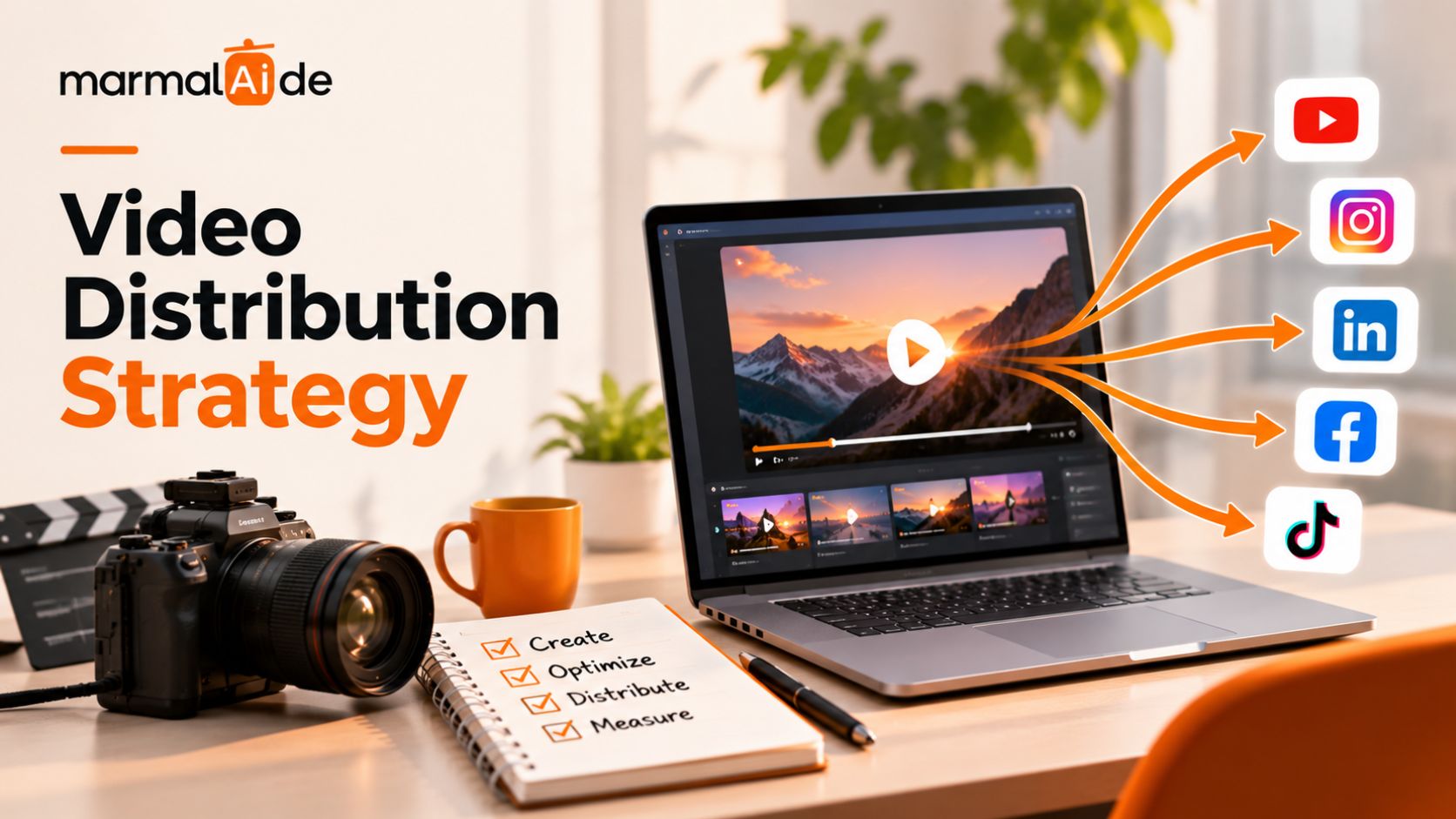
A video distribution strategy determines how much value a brand gets from the videos it makes. One shoot can support Meta ads, TikTok clips, YouTube videos, and CTV commercials, but each version needs to suit the way people watch that platform.
The answer is not to create four unrelated videos. Start with one clear message, plan the footage around the campaign, and adapt the edit for each channel. This article discuses how to make video content distribution more useful, from creative planning to measurement.
What Is a Video Distribution Strategy?
A video distribution strategy is the plan for getting video content in front of the right audience. It covers where the video appears, how the team adapts it, whether it needs paid promotion, and how the brand measures its performance. Publishing is one step in the process. The wider video content distribution strategy connects the video to a business goal.
For example, a product video might introduce a new product on Instagram, show how it works on TikTok, explain its benefits on YouTube, and build awareness through CTV advertising. The footage can overlap, but the edit and CTA should suit each placement.
Why Should Brands Adapt Video Before Publishing?
A video made for one placement may not work as well in another. A vertical clip can look awkward on a television screen, while a slow brand film may struggle to hold attention in a busy social feed. Multi platform video distribution starts with these differences. Before filming, decide which channels matter, what each version needs to communicate, and what the viewer should do next.
This also makes production more efficient. The team can plan the shots and framing it needs rather than trying to turn one finished file into every possible format later. Marmalaide’s performance creative strategy guide is a useful companion for connecting creative decisions to campaign objectives.
How Should One Video Change Across Meta, TikTok, YouTube, and CTV?
The core idea can stay consistent while the delivery changes. Each platform needs an edit that suits its viewing experience.
- Meta: Start with the product, a familiar problem, or an interesting moment. Use vertical videos for Reels and Stories, add captions, and test different openings for social media video distribution.
- TikTok: Use quick demos, creator-style videos, comparisons, or behind-the-scenes clips. Keep the language natural, show the product in action, and use commercially cleared sounds. Create different edits from the same footage for video distribution on social media.
- YouTube: You can use Shorts for quick tips and product highlights. Choose longer videos for demos, reviews, and detailed explanations. For paid ads, lead with the main benefit and add a clear CTA.
- CTV: Use landscape footage, readable text, and a clear product story. You must give viewers time to recognize the brand and understand the offer. Adapt social video footage with a slower pace or a longer edit when needed.
How Do You Plan a Video Content Distribution Strategy?
Distribution decisions should shape production, not follow it. Use this workflow to prepare the assets and decide where each one belongs.
- Define the job of the video. Choose one main goal, such as awareness, traffic, lead generation, or sales.
- Identify the audience. Consider where they watch video and what information they need.
- Choose your video distribution channels. Select platforms that support the goal and audience.
- Plan the footage. Capture shots that can support different aspect ratios, lengths, and openings.
- Create the edits. Adapt pacing, captions, graphics, and CTAs for each placement.
- Set the distribution plan. Decide which versions will run organically, through paid ads, or on owned channels.
- Review the results. Use performance data to guide the next round of creative.
A strong video content distribution strategy makes each edit purposeful. It also helps teams manage multi-platform video distribution without losing track of which version serves which goal.
For more on planning multiple creative formats, see Marmalaide’s guide to multi-format UGC video platforms.
Which Video Distribution Channels Deserve Your Budget?
Not every video needs to appear everywhere. Choose video content distribution channels based on the audience and the action you want to encourage.
- Owned distribution includes your website, landing pages, email, and brand accounts. Use these channels to educate existing audiences, support product decisions, and share useful information.
- Earned distribution includes shares, mentions, and customer or creator posts. It can help a video reach people through trusted voices.
- Paid distribution includes advertising on Meta, TikTok, YouTube, and CTV. It lets you pay for reach and use the targeting options available on each platform.
The mix will change from campaign to campaign. A product launch may need paid reach, while a detailed explainer may work well on YouTube and the website. Digital video distribution works best when every channel has a defined role.
Related reading: Video Content on a Budget
Organic Video Distribution vs Paid Promotion
Organic video distribution helps brands stay active on their own channels, share useful content, and learn how audiences respond. Paid promotion can extend reach and give marketers more control over targeting, spend, and placement.
| Organic Video Distribution | Paid Promotion |
| No media spend | Requires an ad budget |
| Reaches audiences through organic channels | Targets specific audiences |
| Shares demos, FAQs, and product updates | Supports reach, leads, and sales |
| Tests creative ideas organically | Tests ads against campaign goals |
Use organic posts to share demonstrations, answer common questions, and introduce new creative ideas. Use paid distribution when the campaign needs to reach a defined audience or support a specific business goal.
Organic engagement can help identify creative worth testing, but it doesn’t guarantee paid results. The audience, placement, and objective may be different.
Brands that need a steady flow of ad variations can explore Marmalaide’s AI ad creative production services to support their creative pipeline.
Which Video Distribution Platforms and Tools Should You Consider?
Online video distribution platforms and tools help teams publish, host, schedule, and measure video. The right choice depends on where you publish and how many assets you manage.
- Meta Ads Manager: Manages Meta ad campaigns and provides placement-level reporting.
- TikTok Ads Manager: Supports paid campaigns and performance tracking on TikTok.
- YouTube Studio: Helps manage published videos and review channel analytics.
- Scheduling tools: Help plan organic publishing across social accounts.
- Video hosting platforms: Support website embeds, private sharing, and video libraries.
- Analytics tools: Bring data from different channels into a shared report.
When evaluating video distribution platforms, check channel support, reporting, integrations, permissions, and asset management. Teams producing many variations also need a clear way to track formats, approvals, and campaign versions. The best tool is the one that solves a real problem in your workflow.
How Do You Measure Video Distribution Results?
Measure each version against the goal it was created to achieve.
| Goal | Useful metrics |
| Awareness | Reach, impressions, view rate |
| Attention | Watch time, retention, completion rate |
| Engagement | Shares, comments, saves |
| Traffic | Click-through rate, landing-page visits |
| Conversion | Leads, sales, cost per acquisition |
Review the results within each platform first. View definitions and reporting windows differ, so compare equivalent metrics before drawing conclusions across channels.
Then use the findings to improve the creative. A weak opening may need a different hook. Strong watch time with few clicks may point to the offer or CTA. High traffic with few conversions may call for a landing-page review.
This turns video distribution into a repeatable process: test, review, and improve the next version.
How Can Brands Reuse Existing Footage?
Start by reviewing footage from previous campaigns, product demonstrations, testimonials, and creator content. Some clips may work well in a new edit with a different opening, CTA, or aspect ratio. Keep clean master files and organize them by product, campaign, format, and approval status. This makes it easier for the team to find suitable footage and create new versions.
Marmalaide’s AI video production services support teams creating campaign assets, while its guide to gen AI video content for growth marketing explores ways to expand creative output. Repurposing works best when every version has a clear purpose. More edits alone won’t improve a campaign.
How Can Marmalaide Help You Adapt Videos for Different Platforms?
Marmalaide produces video ads and creative assets using filmmaker-led direction and generative AI. Its team handles scripting, production, editing, and delivery.
Its services include:
- AI UGC ads for paid social
- Product videos and explainers
- Video cutdowns for Meta, TikTok, YouTube, and CTV
- Creative variations for different campaigns and audiences
- Static ads and carousel creatives
Explore AI ad creative production services or subscription plans to find the right fit for your team.
Related reading: AI Ad Creatives for Apps
Start Your Campaign with Marmalaide
Marmalaide’s $1,999 Pilot includes a 30-second master commercial, two 10–15-second cutdowns, and two static ads or posts. It also covers adaptations for different channels, campaigns, SKUs, and geographic targets.
FAQs
Should You Upload Videos Natively or Share a Link?
Yes, upload the video directly when you want people to watch it in their feed. Always try to share a link when you want to send them to your website or a longer video elsewhere.
Can the Same Music Be Used Across Every Platform?
No, not always. Before you publish, check whether the music licence covers each platform and placement. A track you can use in an organic Reel may not be cleared for paid ads or CTV.
Should You Add Subtitles to Videos With Voice-Over?
Yes, many people watch videos with the sound off, and subtitles help them follow your message. Check that the words match the voice-over and appear at the right time.
How Do You Keep Track of Different Video Versions?
You can Keep all your files in one shared library and give each version a clear name. You must note the platform, format, campaign, CTA, and approval status so your team can find the right file without digging through folders.
What Should You Do When a Video Gets Views but No Sales?
Start by checking whether viewers click through and what happens next. Look at your CTA, offer, audience, and landing page. If people watch but don’t buy, you may need to change the message or make the next step clearer.
Does Every Video Need Paid Promotion?
No, you don’t need to pay to promote every video. Some posts can reach people organically or support your website and other campaigns. Put money behind a video when paid promotion makes sense for your goal and budget.