
Customers have so many brand options to choose from. If your messaging doesn’t explain what makes your business different, even a bestseller product can get lost among competing offers. Simply calling your brand reliable, affordable, or customer-focused isn’t enough to make it memorable.
You need a specific position that connects your brand’s strengths with what your audience values. A well-written brand positioning statement can help you build that connection and carry it into your advertising. This article explains how to write one, use a brand positioning statement template, and turn your positioning into ad creative.
What Is a Brand Positioning Statement?
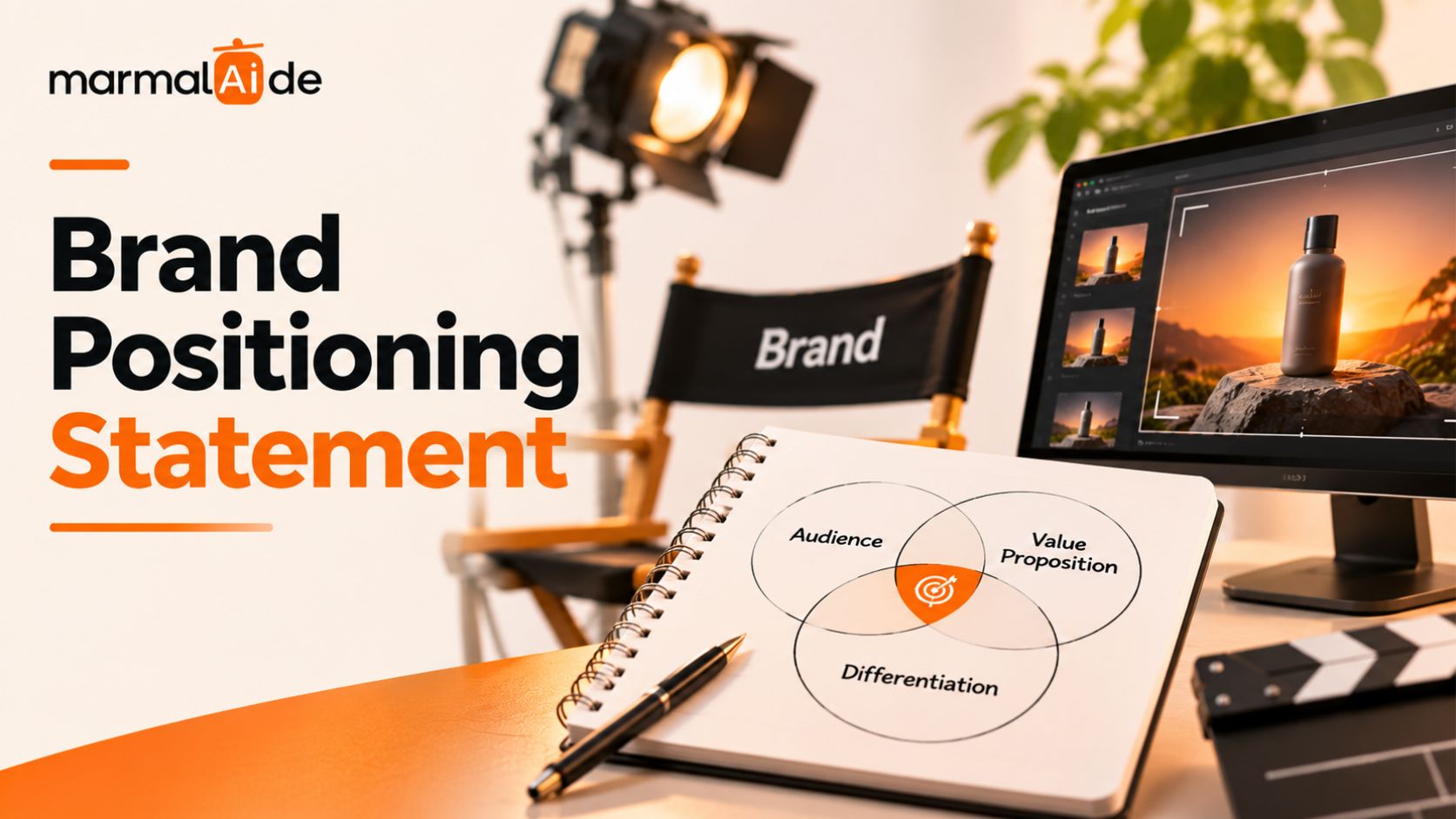
A brand positioning statement is an internal statement that explains how a brand wants its target audience to perceive it in the market. It identifies the audience, product category, unique value, and reasons customers should believe the brand’s promise.
It answers four questions:
- Who are you trying to reach?
- What product or service do you offer?
- What makes your brand different?
- Why should customers believe your claims?
A positioning statement is not a tagline or advertising slogan. Your team uses it to guide brand messaging, product decisions, and marketing campaigns. Your tagline, on the other hand, is public-facing copy that communicates a brand idea in a short, memorable way.
For example, a skincare brand might position itself around a special formulation for people with sensitive skin. The ads that they will make can then focus on its ingredients, product demonstrations, and customer concerns that support that promise.
How to Write a Brand Positioning Statement in 5 Steps
To know how to create a brand positioning statement, start by defining your target audience, studying competitors, and identifying what makes your brand different. Follow these five steps to write a statement that gives your marketing a clear direction.
1. Define your target audience: Identify who you want to reach. You have to consider their needs, buying habits, preferences, and problems. A clear audience can help you make a statement that speaks to the right customers you need.
2. Analyze your competitors: You need to study competing brands, their products, pricing, messaging, and customer experience. Look at relevant brand positioning examples to see how other businesses communicate their value and where your brand can stand apart.
3. Identify your unique differentiator: Decide what makes your brand different from other brands. It can simply be a product feature, price, customer experience, specialist knowledge, or a benefit. These should be things that the competitors don’t offer. Choose something your target audience actually values.
4. Define your brand’s market position: You must think about how you want clients to see your brand compared with your competitors. Keep your position specific, relevant to your audience, and supported by what your business can deliver.
5. Write your brand positioning statement: Bring this information together in a short, focused statement. Lastly, you must use this brand positioning statement template to organize your ideas:
For [target audience], [brand] is the
that [main benefit] because [reason to believe].This brand positioning statement structure will help you explain who your brand serves, what it offers, and why customers should choose it. Once you’ve written the statement, remove all the generic claims and check that your marketing team can use it to guide ad messages, creative concepts, and campaign briefs.
What Are Some Brand Positioning Statement Examples?
Looking at established brands can help you understand how positioning connects a product with a specific audience and benefit. These are simplified interpretations of their market positioning, not necessarily their official internal statements. Following are some brand positioning examples:
Apple: Design and User Experience
Apple competes in the technology market through product design, an integrated ecosystem, and a consistent user experience. Its positioning appeals to customers who value simplicity, design, and connected devices. Its advertising often shows how products fit into everyday work, communication, and entertainment.
Nike: Performance and Inspiration
Nike connects sportswear and equipment with athletic performance and personal ambition. Its brand positioning speaks to athletes and people who want to improve their performance. Campaigns often use athlete stories, training moments, and motivational messages to reinforce this idea.
Tesla: Electric Mobility and Innovation
Tesla connects electric vehicles with technology, performance, and the shift towards sustainable energy. Its positioning gives customers reasons to consider electric mobility beyond fuel savings. Product technology, vehicle performance, and charging infrastructure all contribute to its market identity.
Patagonia: Environmental Responsibility
Patagonia connects outdoor clothing and equipment with environmental responsibility. Its mission influences its product communication and brand decisions. This gives customers who value environmental action another reason to consider its products.
Volvo: Vehicle Safety
Volvo has built a strong association with vehicle safety. Its communication often focuses on protective features, engineering, and the people who use its vehicles. The positioning gives customers a clear benefit to associate with the brand.
Voss, Perrier, and Ethos: Three Positions in One Category
Harvard Business School uses these bottled water brands to explain how businesses can appeal to different customer groups within the same category:
- Voss: Connects bottled water with premium design and an upscale experience.
- Perrier: Presents sparkling water as an elegant and refreshing choice.
- Ethos: Connects bottled water purchases with support for clean water initiatives.
The products belong to the same broad category, but each brand appeals to a different set of customer preferences. This shows why a clear brand positioning statement needs a defined audience and a specific benefit.
How Do You Turn a Brand Positioning Statement Into Ad Creative?
Your positioning statement should influence what your ads say and show. It gives your creative team a central message to work from, while leaving room to test different formats and approaches.
Here’s how to turn it into campaign assets.
Turn Your Unique Value Into an Ad Message
Start with the main benefit in your positioning statement. Write one clear message that explains why your product matters to the target audience. For example, if a skincare brand positions itself around gentle products for sensitive skin, its ad message could focus on a simple routine and clearly explained ingredients. Avoid adding unrelated claims just to make the ad sound more persuasive.
Use Customer Problems to Write Ad Hooks
Your audience’s problems can give you ideas for opening lines. If your product helps small teams manage projects, you could test hooks around missed deadlines, scattered task lists, or unclear ownership. Each hook should connect to the same brand promise. For more ideas, explore AI-generated content for Instagram.
Show Functional Benefits Through Product Demonstrations
If your differentiator is a product feature, show it working. A short demonstration can explain a benefit faster than a long list of claims. For example, a software brand could show how a user completes a task in fewer steps. A beauty brand could demonstrate the product’s texture and application.
You can also use AI video ads for Shopify brands to explore product-led creative approaches.
Use Stories to Communicate Emotional Benefits
Some buying decisions depend on how a product makes people feel. Use customer situations, founder stories, and relatable moments to communicate those benefits. A fitness brand, for example, could show the confidence that comes from building a consistent routine rather than focusing only on product specifications.
Keep the story connected to the brand’s actual promise. AI and brand storytelling offer more context on using stories in content marketing.
Create Ad Variations Without Changing Your Positioning
You can test different hooks, formats, visuals, and CTAs without changing the central brand message.
For one campaign, create:
- A product demonstration.
- A customer-problem-led video.
- A creator-style UGC ad.
- A founder-led explanation.
- Short cutdowns for different placements.
This gives your team more ways to test the same positioning. Explore multi-format UGC video platforms and video content production on a budget for related approaches.
How Do You Measure the Effectiveness of Brand Positioning?
A brand positioning statement needs regular review. Track whether customers understand your value and whether your marketing attracts the audience you want.
Use the following measures:
- Brand awareness: Check whether more people identify and recall your brand.
- Customer perception: Use surveys, interviews, and reviews to see what customers associate with your business.
- Campaign performance: Monitor the engagement, clicks, conversions, and other campaign goals.
- Customer preference: Check repeat purchases, retention, and reasons customers choose your brand.
- Competitive position: See how competitors communicate their value and if your differentiator still matters.
Don’t rely on ad performance alone to judge brand positioning. Check whether customers recognize your brand’s value through customer feedback and campaign results.
How Can Marmalaide Help Turn Brand Positioning Into Ad Creative?
Marmalaide combines filmmaker-led creative direction with generative AI to produce video ads and campaign assets. Its team handles concept development, scripting, production, editing, and delivery.
Its services include:
- AI UGC ads for paid social campaigns.
- Product and explainer videos for launches and promotions.
- Founder and brand story videos.
- Video cutdowns and creative variations for different placements.
- Static ads and carousel creatives for multi-channel campaigns.
If your brand has a clear positioning statement, Marmalaide can help translate its message into different creative formats. Explore its AI video production services and AI ad creative production services. You can also review Marmalaide’s subscription plans to find a suitable production option.
FAQs
Can a brand positioning statement change over time?
Yes. You may need to revise it when your target audience, product range, competitive market, or business strategy changes. Review it when customer research shows that your current position no longer reflects what people value.
Who should be involved in writing a brand positioning statement?
Include people who understand your customers, products, and market. This usually means representatives from marketing, sales, product, and leadership. Customer research should inform the final statement.
Should a brand positioning statement be shared with customers?
No, not usually as a formal statement. It serves as an internal guide for your team. You can use it to shape public-facing messages such as website copy, campaign headlines, product descriptions, and ads.
Can a small firm compete with established brands through positioning?
Yes. A small business can target a specific audience, solve a specific issue, or offer a benefit that larger competitors don’t.